
SONDES
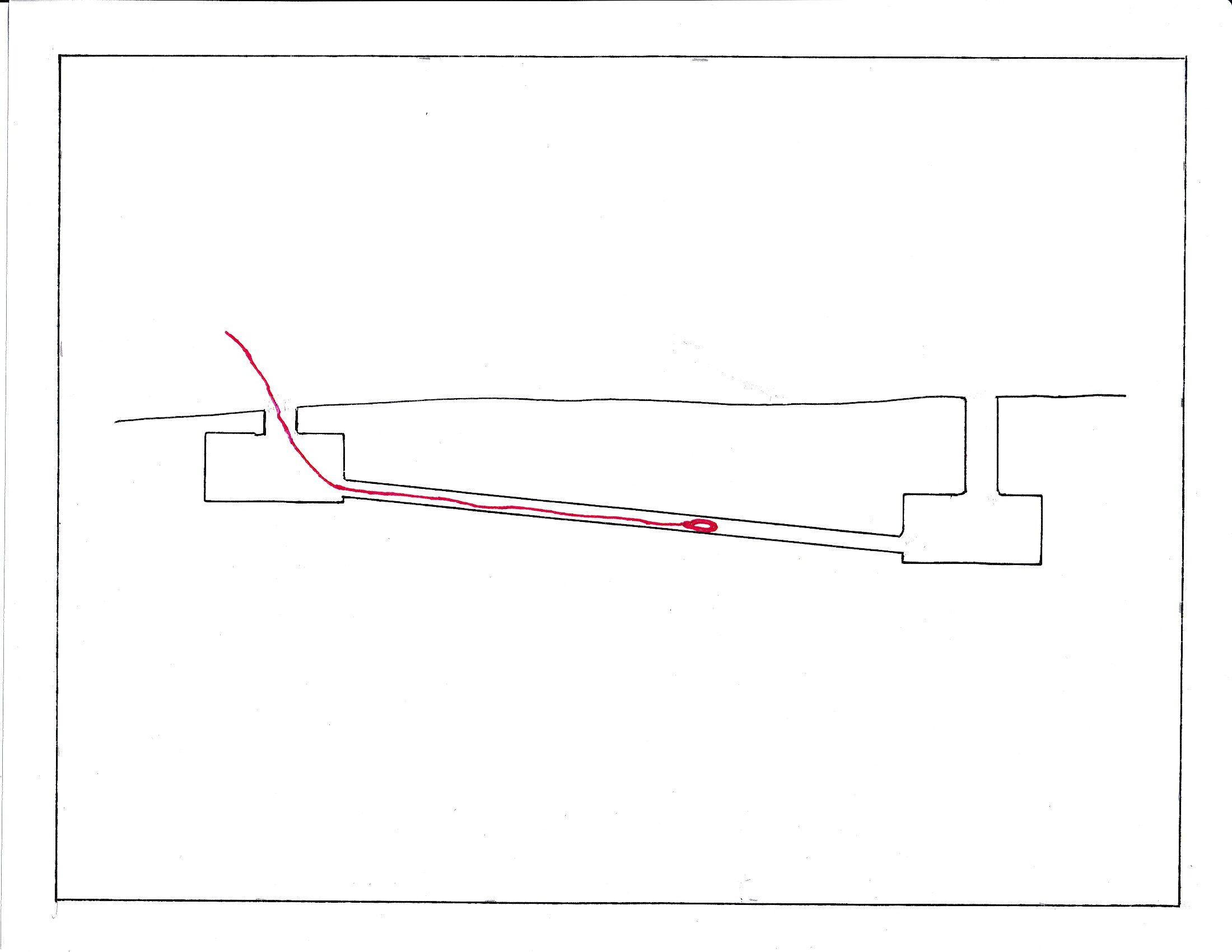
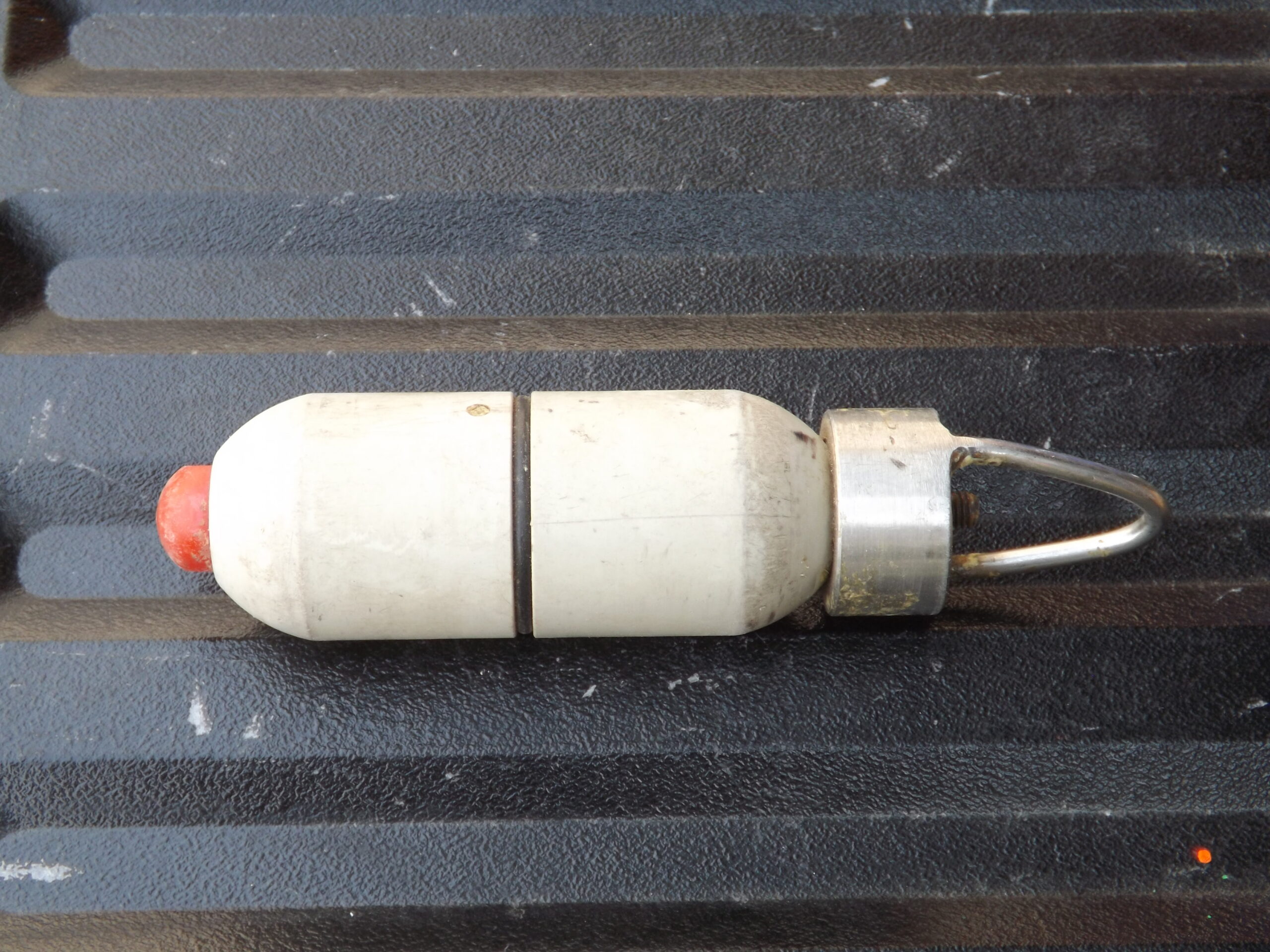
The sonde can be tracked using most PCL receivers. Most sondes are available in only one of two very common frequencies: 512 Hz or 8 kHz, so they can be used with a wide variety of receivers. An important element of a sonde to be aware of is that the EMF emitted from the sonde will be perpendicular to a common EMF pattern on a buried utility line. This means that you need to hold the receiver perpendicular to the direction of the sonde.
FISH TAPE
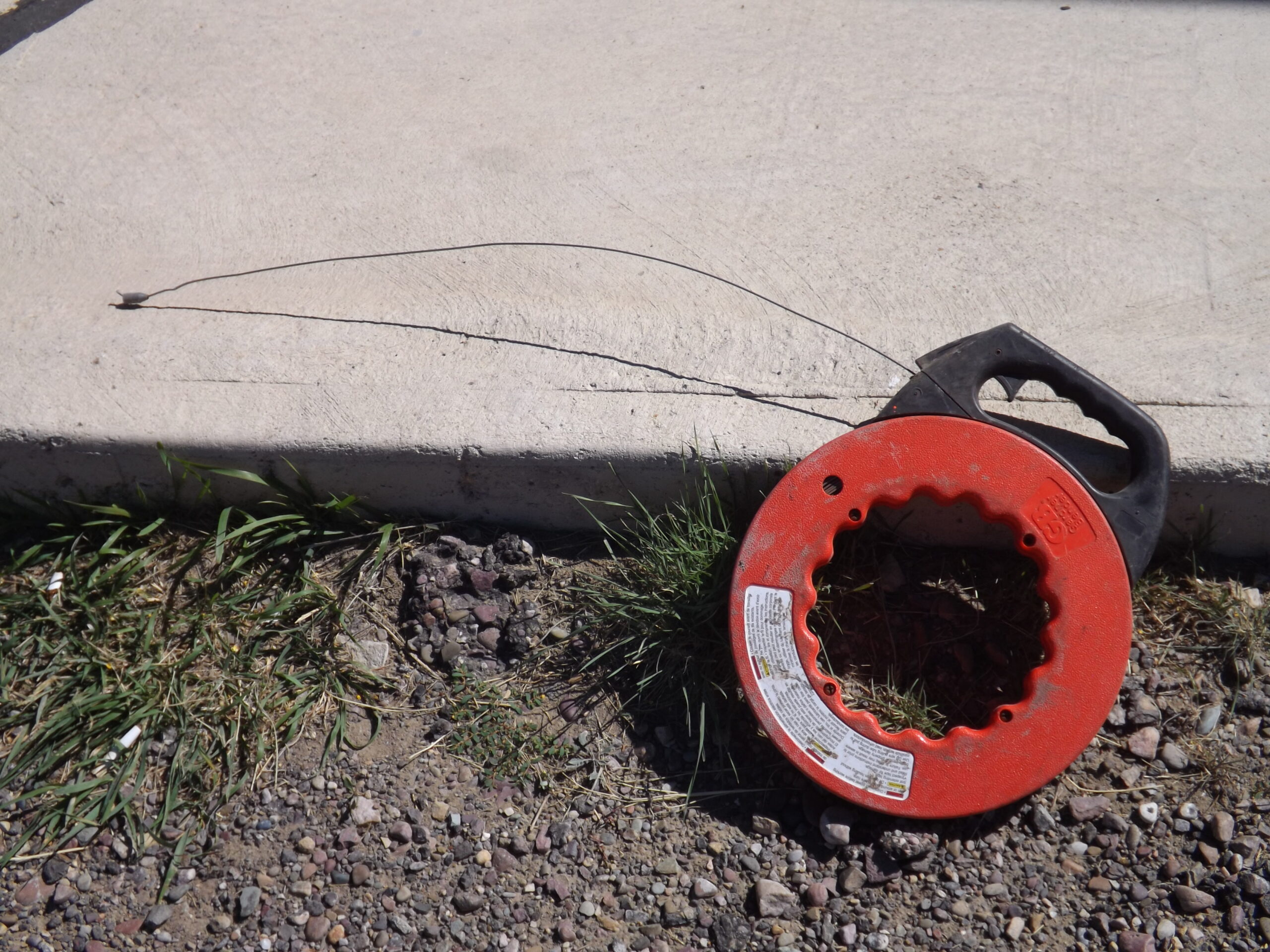
The practice is simple: push the fish tape down the pipe as far as you can, then connect the transmitter lead to the end of the tape still in your hand. There is usually enough water at the end of the pipe for the current to go to ground and complete a circuit. If not, then simply go to a higher frequency.
There are several limitations with fish tape. If the pipe is large, then the tape will not go far into the pipe but instead begin to bend back on itself. A smoother surface, such as poly pipe, will allow the tape farther in as opposed to concrete or clay.
Another limitation is on conduits leading into electric features such as transformers. A Qualified Electric Worker (QEW) will have the proper PPE to perform this insertion safely, but others locating utilities this way do not have the proper equipment or training. Therefore, you should never use a fish tape on any conduit that leads to an electric feature.
RODDERS
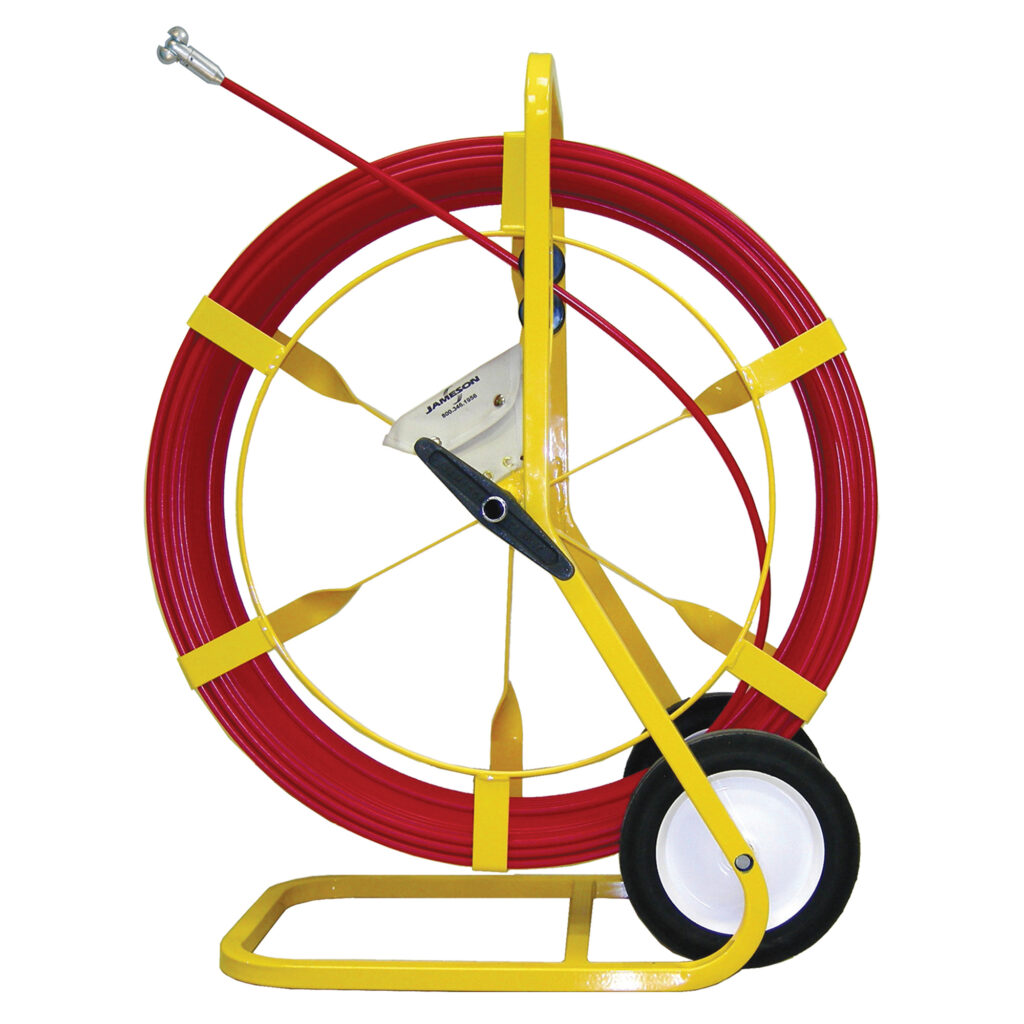
Once the rodder is pushed into the pipe the back end of the conductor will still be on the reel and can then be connected to by the PCL transmitter. Just as with a fish tape, if the far end of the rodder is not making contact with ground, you can raise the frequency. Rodders take up much more space in a work truck than a fish tape, but they also come in different sizes and lengths.
JAMESON LIVE RODDER
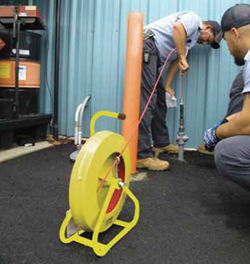
The first step in using the Jameson is to shut off a gas service at the riser. The pipe portion just above the shut-off is then removed, and then the Jameson is attached to the service. It contains a pipe seal to prevent the gas from coming out of the top of the riser. Then the shut-off is turned back on, and the conductor is inserted down into the service. The conductor is constructed to be able to make a single 90-degree bend at the gas main.
PIPE CAMERAS
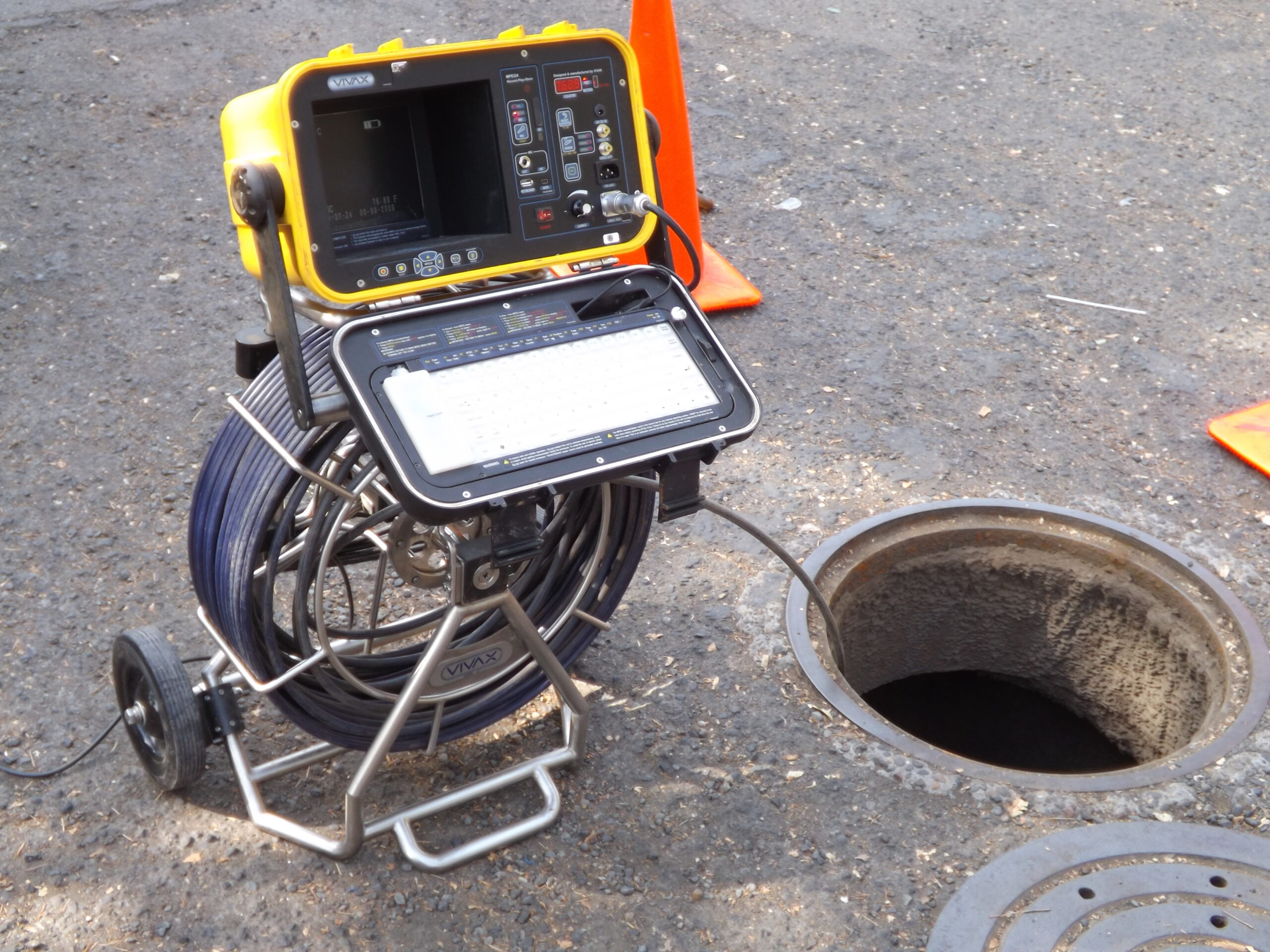
The camera end is usually inserted at a clean-out for service line inspection, but they are also commonly inserted at sewer manholes for main line inspection. Some cameras have “crawlers” to move along the pipe on their own. There is a wide variety of pipe cameras, some very simplistic and some very elaborate and expensive but with great capabilities in maneuvering down the pipe and even rotating camera heads to inspect the sides of the pipe.