
RFID is an abbreviation for Radio Frequency Identification, though there are numerous uses of the term RFID today.
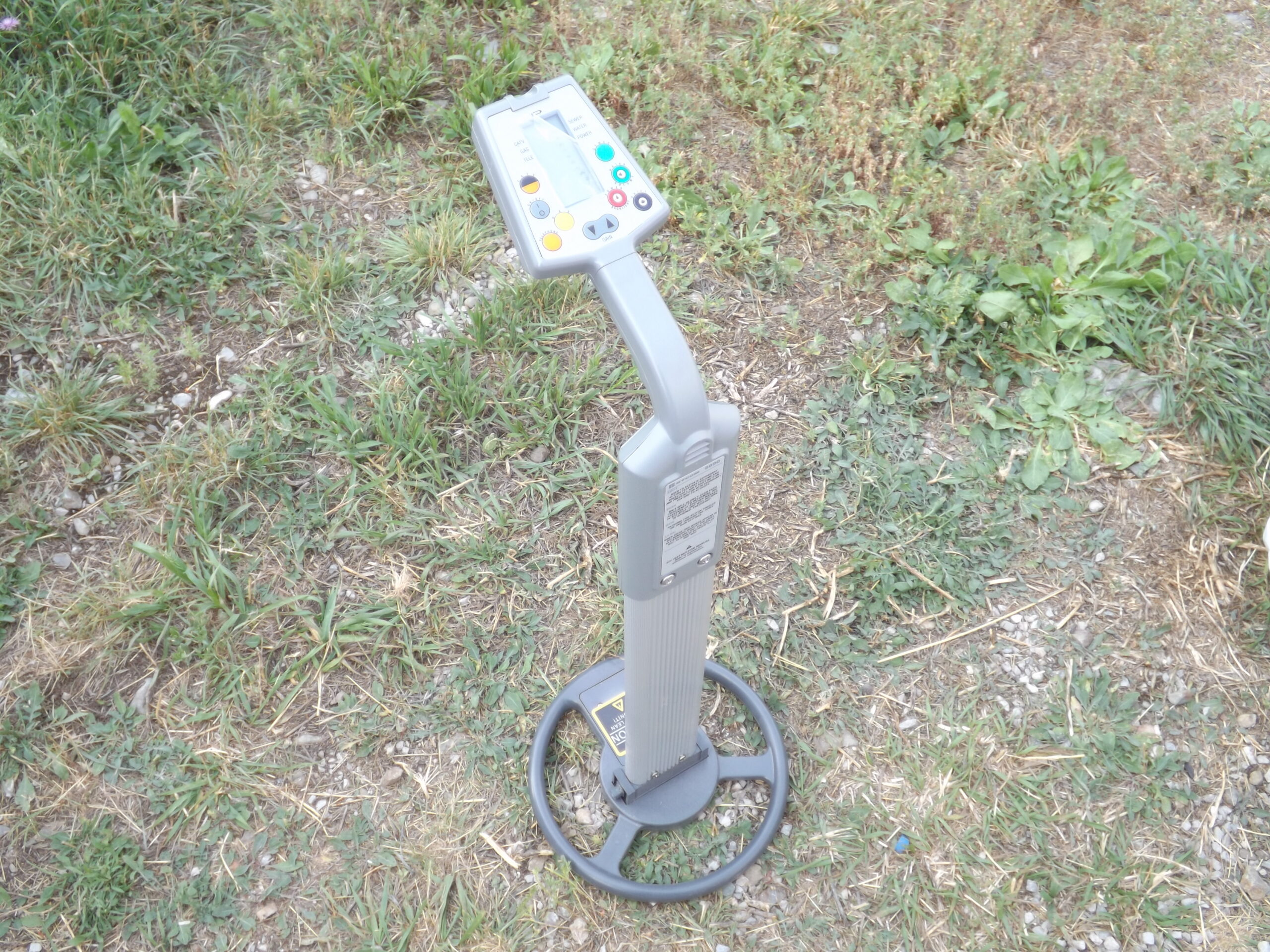
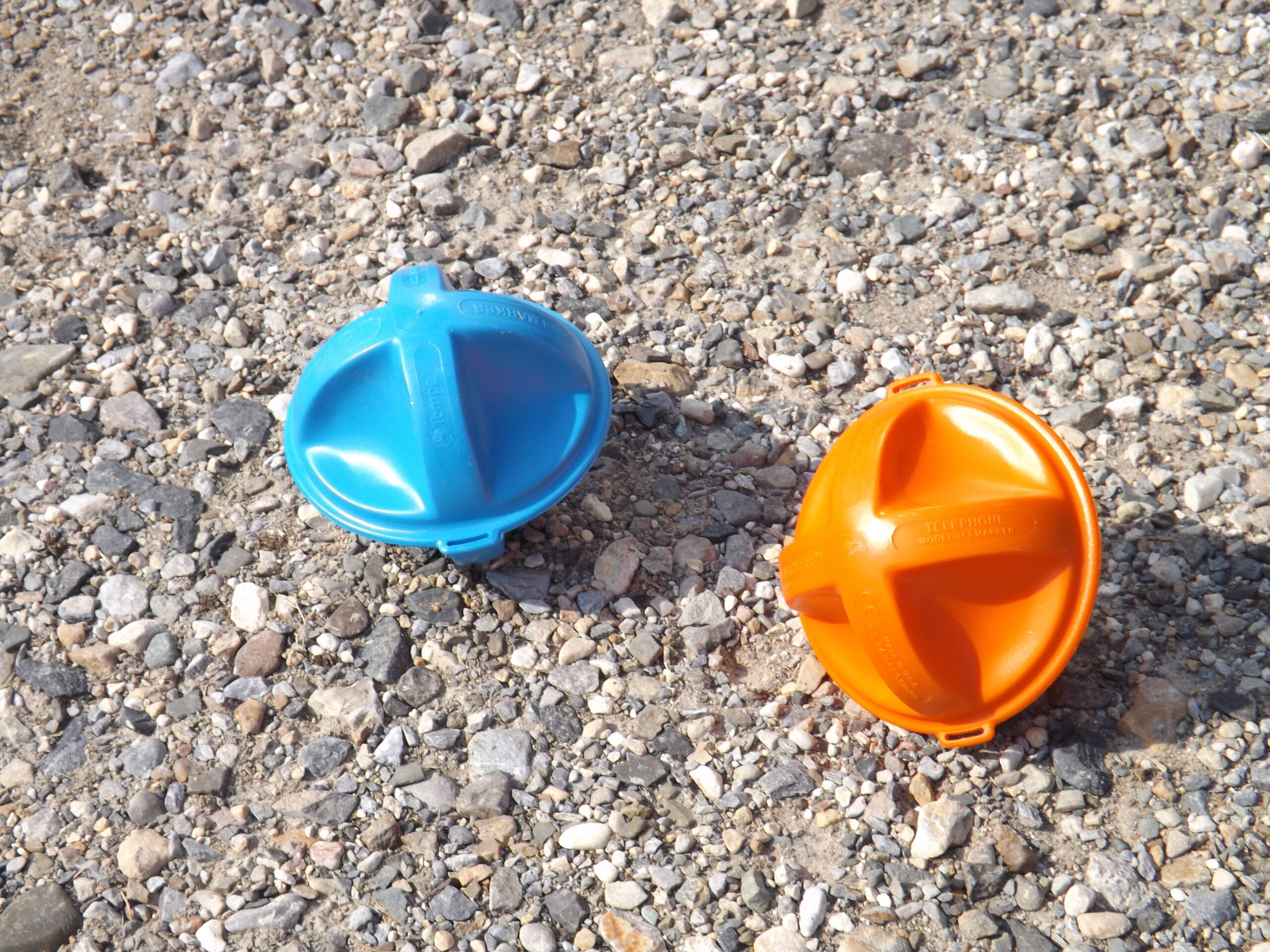
In utility locating RFID has become somewhat of a standard identification of the variety of manufacturers that use buried markers, such as “ball markers”, placed at specific points on a utility line so that it can be pinpointed later on.
The 3M company refers to their markers as unimarker. Another is called omnimarker. All of these items are similar in their composition and use. The most common being “ball markers” which can be dropped in a handhole. If the handhole ends up being covered in dirt, the ball marker can still be found from above ground with an RFID transponder.
However, there are numerous other RFID markers available. For telephone splices, a steering wheel device can be strapped to the top of the splice. A toilet seat-shaped marker is used to place on pressurized sanitary pipes. The difference in these is not only in their appearance but in the fact that the larger the marker, the deeper it can be placed and still be detected.
These devices also come in different colors, all compatible with the APWA color code: blue for water, orange for communications, etc. Despite their difference in appearance and difference in manufacturers, these devices also all operate in the same manner. There are no batteries in any of these devices, so they can last in virtual perpetuity. Each device includes a wire coil attached to a capacitor. The transponder device generates an induction current into the ground, and the capacitor in the buried device produces a responding signal back to the transponder.
In this way, the different colored ball markers respond differently. The blue one responds with one frequency, while the orange ball marker responds with a different frequency.
Most RFID markers must be placed in a proper position on the utility, such as strapped to the top of the utility line. But the ball markers will work in any position. They contain a gelatin material inside with the coil/capacitor free to move. All that is required is to drop the ball marker down into a handhole, and the internal coil will self-position itself upward because of the surrounding fluid.
The locating device (transponder) must be set to the color of the type of marker you are searching for. So, if you are searching for a buried electric feature/marker, you set the locator selector to red, and it will only recognize the red markers which have been placed in the ground.
You also want to be aware that although many RFID locators are separate units, some PCLs (Pipe & Cable Locators) have a built-in RFID feature. This will be quite obvious because they will have a drop-down hoop at the base of the receiver.